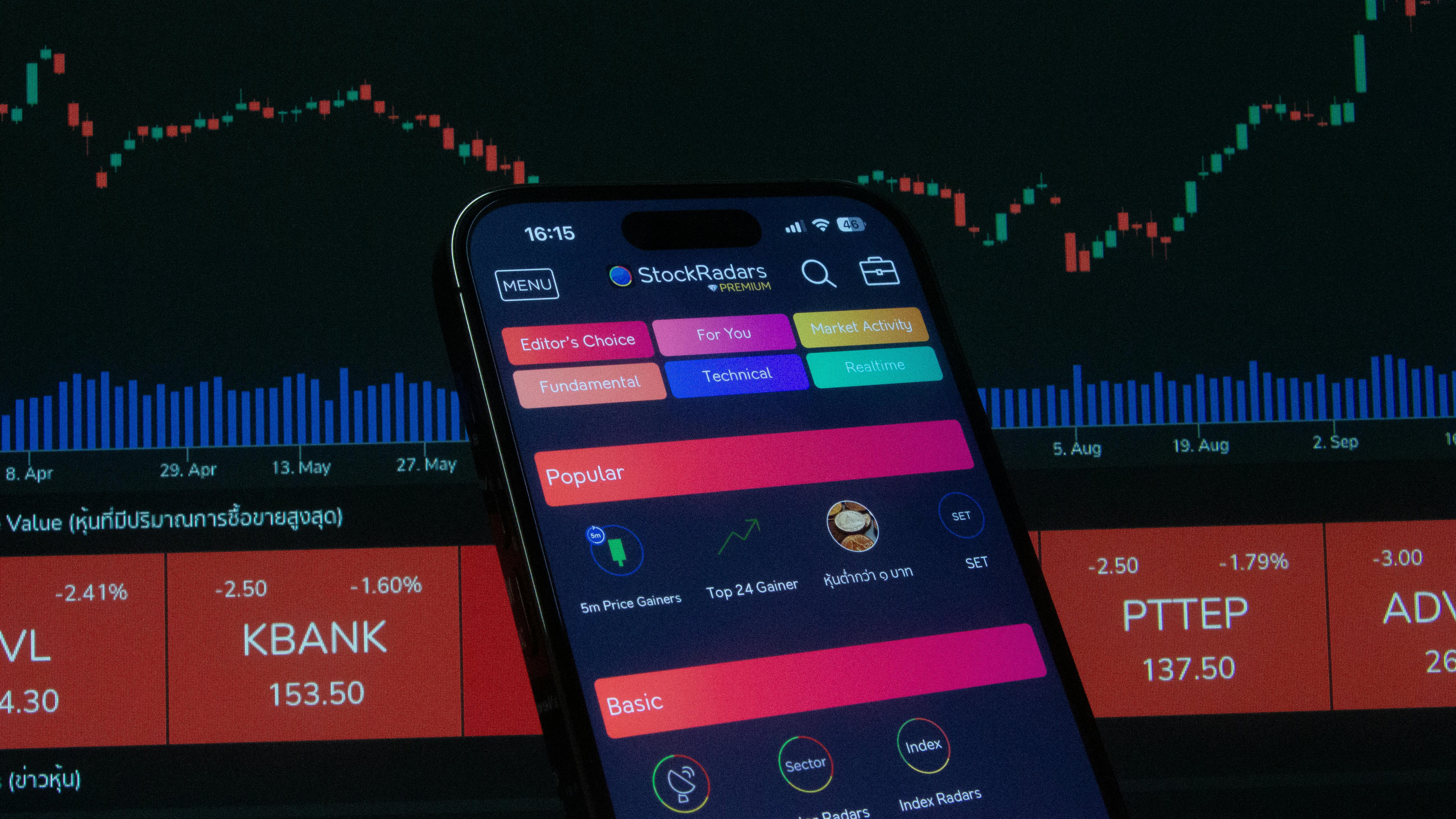
The Art of Growing Your Money: Investing Made Simple

The Art of Growing Your Money: Investing Made Simple
Money isn’t just about earning—it’s about making what you already have work for you. Whether you’re saving for retirement, a dream home, or financial freedom, investing is the bridge between today’s income and tomorrow’s wealth. Yet, for many, the world of investing feels overwhelming, shrouded in jargon and complicated strategies. The truth? Building wealth through investing can be simple, accessible, and even enjoyable—once you strip away the noise. This guide breaks down the fundamentals of investing into clear, actionable steps, so you can grow your money with confidence and clarity.
Why Investing Matters More Than Saving
Saving money in a bank account is a great habit, but it has a major flaw: inflation. While your cash sits idle, its purchasing power erodes over time. For example, $10,000 today might only buy what $8,000 could five years ago, thanks to rising prices. Investing, on the other hand, puts your money to work—earning returns that outpace inflation and compound over time. Historically, the stock market has delivered average annual returns of about 7-10%, far outstripping the meager 0.5-2% interest rates offered by most savings accounts. By investing, you’re not just preserving value; you’re actively growing it.
Start with the Right Mindset: Patience and Discipline
Investing isn’t a get-rich-quick scheme—it’s a marathon, not a sprint. The most successful investors share two key traits: patience and discipline. Markets will fluctuate, headlines will create panic, and economic crises will test your resolve. Yet, those who stay the course and avoid emotional decisions often reap the greatest rewards. Warren Buffett, one of the greatest investors of all time, famously said, “Someone’s sitting in the shade today because someone planted a tree a long time ago.” Your goal isn’t to time the market perfectly but to stay invested consistently, letting time and compound interest do the heavy lifting.
Step 1: Build a Strong Financial Foundation
Before diving into investments, ensure your financial house is in order. Investing with debt or without an emergency fund is like building a skyscraper on sand—it’s risky and unsustainable. Focus on these three priorities first:
- Emergency Fund: Save 3-6 months’ worth of living expenses in a high-yield savings account. This safety net prevents you from selling investments in a downturn.
- High-Interest Debt: Pay off credit cards or loans with interest rates above 6-8%. The returns you’d earn investing won’t outweigh the cost of this debt.
- Clear Goals: Define what you’re investing for—retirement, a down payment, or a child’s education—and set a timeline. Your goals will shape your investment strategy.
Step 2: Choose Your Investment Vehicles Wisely
Not all investments are created equal, and some are better suited for beginners than others. Here’s a breakdown of the most accessible and effective options:
Stocks: Owning a Piece of the Future
When you buy a stock, you’re purchasing a small share of a company. If that company grows, your investment grows too. Stocks offer high potential returns but come with higher risk. For beginners, consider:
- Index Funds: These are baskets of stocks that track a market index (like the S&P 500). They’re diversified, low-cost, and historically reliable. Examples include Vanguard’s VOO or Fidelity’s FXAIX.
- Individual Stocks: Only invest in companies you understand, and avoid speculative bets. Blue-chip stocks (like Apple or Microsoft) are safer starting points.
Bonds: The Steady Anchor
Bonds are loans you give to governments or corporations in exchange for regular interest payments. They’re less volatile than stocks but offer lower returns. Bonds provide stability, especially during market downturns. Types include:
- Government Bonds: Ultra-safe, like U.S. Treasury bonds.
- Corporate Bonds: Slightly riskier but offer higher yields.
- Municipal Bonds: Tax-free interest, ideal for high-income earners.
Mutual Funds and ETFs: The Best of Both Worlds
Mutual funds pool money from multiple investors to buy a diversified portfolio, managed by professionals. Exchange-traded funds (ETFs) are similar but trade like stocks on an exchange. Both offer instant diversification. For beginners, ETFs are often preferred due to their lower fees and flexibility. Popular choices include:
- Total Market ETFs: Like VTI (Vanguard Total Stock Market ETF) or ITOT (iShares Core S&P Total U.S. Stock Market ETF).
- International ETFs: Such as VXUS (Vanguard Total International Stock ETF) for global exposure.
Real Estate: Tangible Assets
Real estate is a tangible investment that can generate passive income and appreciate over time. While buying property requires significant capital, there are accessible alternatives:
- Real Estate Investment Trusts (REITs): These allow you to invest in real estate without owning physical property. REITs pay high dividends and trade like stocks.
- Crowdfunding Platforms: Websites like Fundrise or RealtyMogul let you invest in real estate projects with smaller amounts.
Step 3: Diversify to Reduce Risk
“Don’t put all your eggs in one basket” isn’t just a saying—it’s a golden rule of investing. Diversification spreads your risk across different assets, sectors, and geographies, so a single loss won’t devastate your portfolio. A simple diversified portfolio for a beginner might include:
- 60% in a total stock market ETF (e.g., VTI)
- 20% in a total international stock ETF (e.g., VXUS)
- 10% in a bond ETF (e.g., BND)
- 10% in a REIT or alternative investment
This mix balances growth potential with stability. As you learn more, you can adjust the ratios based on your risk tolerance and goals.
Step 4: Keep Costs Low and Stay the Course
Investing isn’t just about picking winners—it’s about avoiding unnecessary drag on your returns. Two factors have a massive impact on your long-term wealth: fees and time. Here’s how to optimize both:
Minimize Fees
Every dollar you pay in fees is a dollar that doesn’t compound for you. Watch out for:
- Expense Ratios: Aim for ETFs or mutual funds with expense ratios below 0.20%. Some charge as little as 0.03%.
- Trading Commissions: Use commission-free brokers like Fidelity, Schwab, or Vanguard to avoid paying per-trade fees.
- Advisor Fees: If using a financial advisor, opt for a fee-only fiduciary (one who’s legally required to act in your best interest).
Automate Your Investments
Consistency beats timing. Set up automatic transfers from your bank account to your investment accounts every month. This “dollar-cost averaging” approach reduces the impact of market volatility—you buy more shares when prices are low and fewer when they’re high. Over time, this strategy smooths out the ups and downs.
Ignore the Noise
Financial media thrives on drama—headlines scream about crashes, bubbles, and “the next big thing.” Resist the urge to react. Studies show that investors who check their portfolios less frequently tend to earn higher returns. Set a schedule for reviews (e.g., quarterly) and stick to it. Let the market do the work; your job is to stay invested.
Step 5: Educate Yourself Continuously
Investing isn’t a one-time event but a lifelong learning process. The more you understand, the better decisions you’ll make. Start with these resources:
- Books: “The Simple Path to Wealth” by JL Collins, “The Little Book of Common Sense Investing” by John Bogle.
- Podcasts: “The Investopedia Express,” “ChooseFI,” “Money for the Rest of Us.”
- Online Courses: Platforms like Coursera, Khan Academy, or Morningstar offer free investing courses.
- Newsletters: Morning Brew, The Motley Fool, or Bloomberg’s “The Big Take.”
Follow reputable sources and avoid get-rich-quick schemes or “gurus” promising overnight success. True wealth is built steadily, not magically.
Common Mistakes to Avoid
Even the most disciplined investors make mistakes. Here are the pitfalls to steer clear of:
- Timing the Market: No one can consistently predict market highs and lows. Time in the market beats timing the market.
- Chasing Trends: Bitcoin, meme stocks, and fads often lead to losses. Stick to proven strategies.
- Overtrading: Frequent buying and selling rack up fees and taxes, hurting your returns.
- Ignoring Taxes: Use tax-advantaged accounts like IRAs or 401(k)s to shelter gains. In taxable accounts, hold investments long-term to qualify for lower capital gains rates.
- Letting Emotions Drive Decisions: Fear and greed are your worst enemies. Stick to your plan.
When to Seek Professional Help
While many investors thrive with a DIY approach, some situations warrant professional guidance. Consider working with a fee-only financial planner if you:
- Have a complex financial situation (e.g., multiple income streams, inheritance, or a business).
- Feel overwhelmed by investment choices or lack the time to manage your portfolio.
- Want help with tax planning, estate planning, or retirement strategies.
Always verify that your advisor is a fiduciary—meaning they’re legally obligated to act in your best interest. Avoid commission-based advisors who may push products that benefit them more than you.
Your First Investment: A Simple 3-Step Plan
Ready to get started? Here’s a foolproof plan for your first investment:
- Open an Account: Choose a user-friendly brokerage like Fidelity, Vanguard, or Charles Schwab. If your employer offers a 401(k), start there—especially if they match contributions (that’s free money!).
- Pick a Low-Cost ETF: For a diversified starter portfolio, invest in a total stock market ETF (e.g., VTI) or a target-date fund (e.g., Vanguard Target Retirement 2060 Fund).
- Set Up Automatic Contributions: Start with as little as $50 or $100 per month. Increase contributions as your income grows.
That’s it. No complex strategies, no stress. The key is to start small and stay consistent.
Final Thoughts: Wealth is a Journey, Not a Destination
Investing isn’t about becoming a millionaire overnight—it’s about making steady progress toward financial security. The principles in this guide—starting early, diversifying, minimizing fees, and staying disciplined—are the bedrock of long-term wealth. Whether you’re 25 or 55, it’s never too late to begin. Your future self will thank you for the effort you put in today.
Remember, the art of growing your money isn’t about luck or genius; it’s about patience, consistency, and a willingness to learn. By taking control of your investments now, you’re not just saving for the future—you’re building a legacy. Start today, and let the power of compounding work its magic.