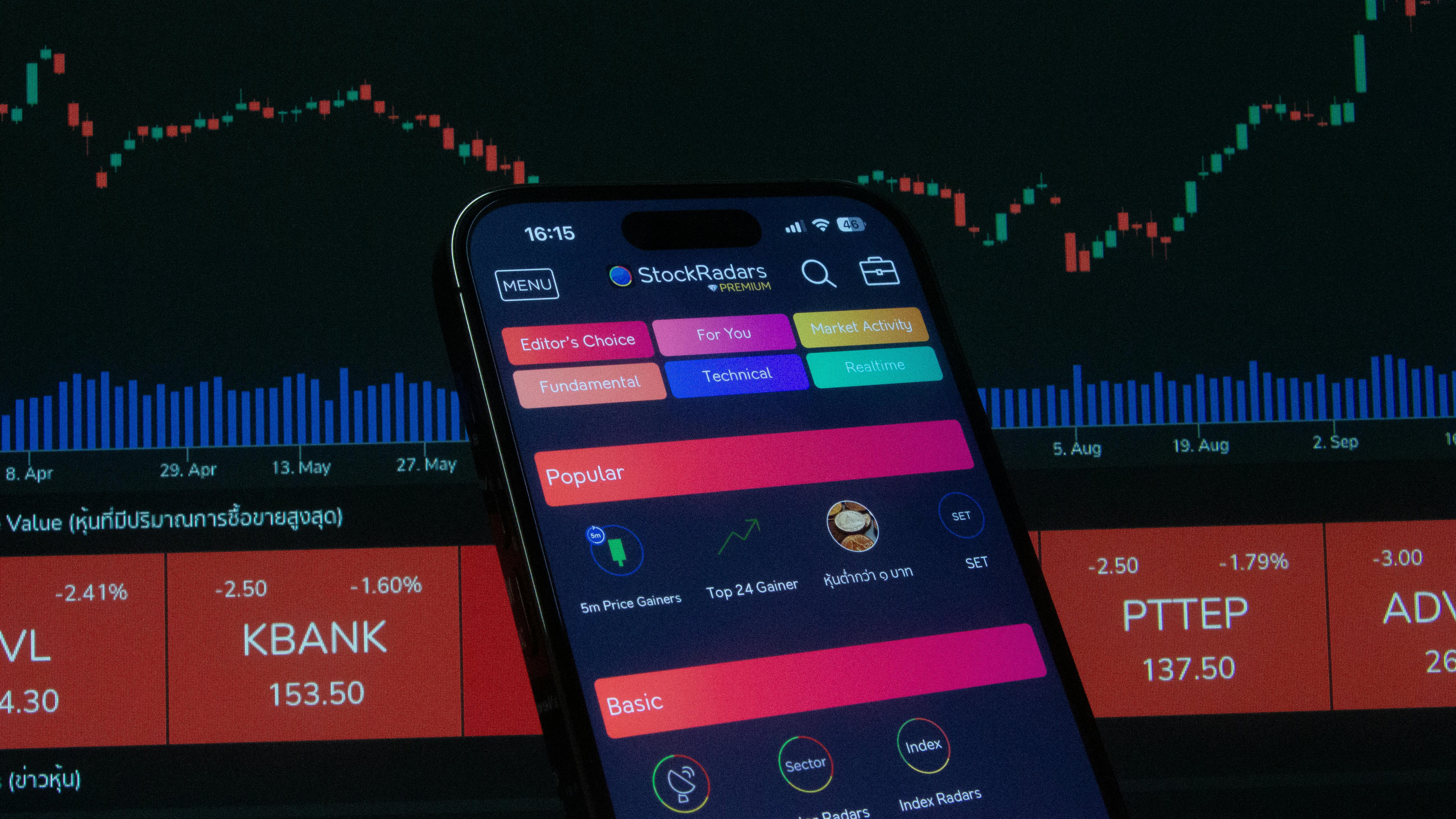
The Art of Currency Swings: Mastering the Forex Market

The Art of Currency Swings: Mastering the Forex Market
The foreign exchange market, or forex, is the largest and most liquid financial market in the world, with trillions of dollars traded daily. Unlike stock markets, forex operates 24 hours a day, five days a week, across major financial hubs like London, New York, Tokyo, and Sydney. Currency swings—fluctuations in exchange rates—create opportunities for traders to profit from price movements. However, mastering these swings requires a deep understanding of market dynamics, economic indicators, and risk management. This guide explores the essentials of forex trading, from fundamental principles to advanced strategies, helping you navigate the art of currency swings with confidence.
The Mechanics of Forex Trading
At its core, forex trading involves buying one currency while simultaneously selling another, as exchange rates are always quoted in pairs (e.g., EUR/USD). The first currency in the pair is the base, and the second is the quote currency. For instance, if the EUR/USD pair is trading at 1.2000, it means one euro is worth 1.20 US dollars. Traders profit from these swings by speculating on whether a currency will strengthen or weaken relative to its counterpart.
Key elements that drive currency movements include:
- Economic Indicators: Data such as GDP growth, inflation rates, employment figures, and retail sales influence a country’s currency value. Strong economic performance often boosts demand for a currency, leading to appreciation.
- Interest Rates: Central banks, like the Federal Reserve or the European Central Bank, set interest rates that affect currency demand. Higher interest rates attract foreign investors seeking better returns, strengthening the currency.
- Political Stability: Geopolitical events, elections, and policy changes can create volatility. Stable governments tend to foster investor confidence, while uncertainty can lead to currency depreciation.
- Market Sentiment: Traders’ collective psychology, influenced by news, rumors, and technical analysis, can drive short-term price movements. Sentiment-driven swings are often more volatile and harder to predict.
Understanding Currency Swings: Bullish vs. Bearish Markets
Currency swings can be categorized into bullish (upward) or bearish (downward) trends. Identifying these trends early is crucial for successful trading. Bullish swings occur when a currency appreciates against its pair, while bearish swings see depreciation. Traders use various tools to spot these movements:
- Technical Analysis: Charts and indicators, such as moving averages, Relative Strength Index (RSI), and Bollinger Bands, help identify trends, support/resistance levels, and potential reversal points.
- Fundamental Analysis: Economic reports, central bank statements, and geopolitical developments provide insights into long-term currency movements.
- Sentiment Analysis: Tools like the Commitments of Traders (COT) report or social media trends gauge market psychology to anticipate shifts.
For example, if the USD/JPY pair shows a strong upward trend due to rising US interest rates, traders might take a bullish position by buying dollars and selling yen. Conversely, if political turmoil in Brazil weakens the BRL, traders may go short on the USD/BRL pair, expecting the Brazilian real to decline further.
Risk Management: The Key to Longevity in Forex Trading
While currency swings offer profit potential, they also come with significant risks. Leverage, a common tool in forex trading, amplifies both gains and losses, making risk management indispensable. Effective strategies include:
- Setting Stop-Loss Orders: Automatically close a trade when the market moves against you to limit losses. For instance, placing a stop-loss 50 pips below your entry point on a EUR/USD trade.
- Position Sizing: Risk only a small percentage of your capital (typically 1-2%) per trade to avoid catastrophic losses during volatile swings.
- Diversification: Spread your trades across multiple currency pairs to reduce exposure to a single market’s volatility.
- Using Take-Profit Orders: Secure profits by setting predefined exit points. For example, taking profit when a trade reaches a 100-pip gain.
Additionally, psychological discipline is vital. Emotional trading—such as revenge trading after a loss or overconfidence after a win—can lead to impulsive decisions. Keeping a trading journal to review past trades and refine strategies is a proven way to stay disciplined.
Advanced Strategies for Mastering Currency Swings
Once you’ve mastered the basics, advanced strategies can help you capitalize on complex market conditions. These include:
Scalping
Scalping involves making dozens or hundreds of small trades within minutes or hours to capture tiny price movements. Traders use high leverage and tight stop-losses, relying on tools like the 1-minute or 5-minute charts. While scalping can be highly profitable, it demands intense focus, low latency execution, and a robust trading platform.
Swing Trading
Swing trading targets medium-term swings, holding positions for days or weeks to capitalize on trend reversals or continuations. Traders use daily or weekly charts and rely on technical indicators like Fibonacci retracements or MACD to identify entry and exit points. Swing trading balances risk and reward, making it ideal for part-time traders.
Carry Trading
This strategy exploits interest rate differentials between two currencies. Traders buy a high-yielding currency and sell a low-yielding one, profiting from both price appreciation and the interest rate spread. For example, borrowing in Japanese yen (low interest rates) to invest in Mexican pesos (high interest rates) can yield steady returns if the exchange rate remains stable.
News Trading
News traders react to high-impact economic releases or geopolitical events, such as non-farm payrolls (NFP) or central bank announcements. The strategy requires quick execution and a deep understanding of how news impacts specific currencies. For instance, an unexpected rate hike by the Reserve Bank of Australia could send the AUD/USD pair soaring within minutes.
Tools and Resources for Forex Traders
To navigate currency swings effectively, traders rely on a variety of tools and resources:
- Trading Platforms: MetaTrader 4 (MT4) and MetaTrader 5 (MT5) are industry standards, offering advanced charting, automated trading (Expert Advisors), and real-time data.
- Economic Calendars: Tools like Forex Factory or Investing.com provide schedules of upcoming economic events, helping traders prepare for volatility.
- News Feeds: Reuters, Bloomberg, and CNBC offer real-time financial news, while platforms like TradingView provide sentiment indicators.
- Educational Resources: Books like “Currency Trading for Dummies” by Brian Overby or online courses from Babypips and Investopedia equip beginners with foundational knowledge.
- Brokerage Services: Choosing a reputable broker with low spreads, high leverage, and strong regulatory compliance (e.g., FCA, ASIC, or CySEC) is critical for success.
The Psychological Aspect of Forex Trading
Even the most technically proficient traders can fail without mastering the psychological challenges of forex trading. Common psychological pitfalls include:
- Fear and Greed: Fear of loss may prevent you from taking valid trades, while greed can lead to overleveraging or ignoring stop-losses.
- Overtrading: Excessive trading, often driven by boredom or the desire to recover losses, can deplete capital quickly.
- Confirmation Bias: Favoring information that aligns with your existing beliefs while ignoring contradictory signals.
- Loss Aversion: Clinging to losing trades in hopes of a reversal, rather than cutting losses early.
To overcome these challenges, traders often adopt mindfulness practices, meditation, or even work with trading psychologists. Developing a trading plan with clear rules and sticking to it can also mitigate emotional decision-making.
Future Trends in Forex Trading
The forex market is evolving rapidly, driven by technological advancements and shifting global dynamics. Key trends to watch include:
- Algorithmic Trading: The rise of AI and machine learning is automating trading strategies, with algorithms executing trades based on predefined criteria at lightning speed.
- Cryptocurrency Integration: Stablecoins like USDT or USDC are bridging the gap between traditional forex and crypto markets, offering new trading pairs and hedging opportunities.
- Central Bank Digital Currencies (CBDCs): As countries explore digital currencies, forex markets may see new trading instruments and liquidity shifts.
- Sustainable Trading: Environmental, Social, and Governance (ESG) factors are influencing currency valuations, with traders increasingly considering sustainability metrics in their strategies.
Staying ahead of these trends requires continuous learning and adaptability. Joining forex communities, attending webinars, and following industry leaders on platforms like LinkedIn or Twitter can provide valuable insights.
Conclusion: Embracing the Art of Currency Swings
The forex market is a dynamic and challenging arena where the art of currency swings rewards those who combine knowledge, discipline, and adaptability. Whether you’re a beginner drawn to the allure of quick profits or an experienced trader seeking to refine your strategies, success hinges on understanding the interplay between economics, psychology, and market mechanics.
Start by building a solid foundation in fundamental and technical analysis, then gradually incorporate advanced strategies as you gain confidence. Prioritize risk management to protect your capital, and never underestimate the power of emotional discipline. Remember, the forex market is not a get-rich-quick scheme—it’s a marathon that demands patience, persistence, and continuous improvement.
As you embark on your forex journey, stay curious, stay disciplined, and most importantly, embrace the art of currency swings with a mindset of lifelong learning. The markets will always be volatile, but with the right tools and mindset, you can turn those swings into opportunities.