The Alchemy of Forex: Turning Currencies into Gold

The Alchemy of Forex: Turning Currencies into Gold
In the vast landscape of global finance, a modern alchemy is at work—one that doesn’t involve the transformation of base metals into gold through ancient rituals, but instead turns currency fluctuations into wealth through the art and science of forex trading. Forex, short for foreign exchange, is the world’s largest and most liquid market, where trillions of dollars are traded daily. For the astute trader, this market offers a unique opportunity not just to participate in global commerce, but to extract profit from the very movement of money itself. But how does one navigate this complex terrain? What are the principles and practices that separate the successful trader from the rest? This article explores the essence of forex trading, its underlying mechanics, and the mindset required to turn currencies into gold.
Understanding the Forex Market: The World’s Financial Engine
The forex market operates 24 hours a day, five days a week, across major financial centers in London, New York, Tokyo, and Sydney. Unlike stock markets, which are bound by rigid trading hours, forex trades over-the-counter (OTC), meaning transactions occur directly between parties via electronic networks. This continuous operation reflects the interconnected nature of the global economy, where currencies are constantly being exchanged to facilitate international trade, investment, and tourism.
At its core, forex trading involves the buying and selling of currency pairs. For example, in the EUR/USD pair, you are simultaneously buying euros and selling US dollars. The value of a currency pair fluctuates based on a variety of factors: interest rate differentials, economic data releases, geopolitical events, and market sentiment. Traders aim to predict these movements and capitalize on them by entering and exiting positions at the right time.
The forex market is also highly leveraged, allowing traders to control large positions with relatively small amounts of capital. While leverage amplifies potential profits, it also increases risk, making risk management a cornerstone of successful trading. Understanding the market’s structure—including liquidity providers, brokers, and central banks—is essential for anyone looking to participate effectively.
Why Forex? Unpacking the Advantages of Currency Trading
Forex trading offers several compelling advantages that make it an attractive option for both novice and experienced traders. First and foremost is accessibility. With a computer or smartphone and an internet connection, anyone can access the forex market. Unlike futures or equities markets, forex doesn’t require large initial investments to get started, and many brokers offer micro and mini accounts that allow traders to begin with small amounts of capital.
Another key advantage is liquidity. The forex market is the most liquid financial market in the world, with daily trading volumes exceeding $7.5 trillion. This high liquidity means that traders can enter and exit positions quickly and at stable prices, reducing the risk of slippage and ensuring that orders are filled efficiently.
Additionally, forex markets offer high volatility, which presents numerous trading opportunities. Currencies can move sharply in response to economic news, political events, or central bank decisions. This volatility, while risky, allows skilled traders to profit from both rising and falling markets by using strategies such as short selling and swing trading.
The Alchemy in Action: How Traders Turn Currencies into Gold
The transformation of currency movements into profit requires more than just luck—it demands discipline, strategy, and a deep understanding of market dynamics. Successful forex traders often follow a structured approach that includes market analysis, risk management, and emotional control. They treat trading not as a gamble, but as a business with defined rules and goals.
Market analysis forms the foundation of forex trading. Traders typically use two main types of analysis: technical and fundamental. Technical analysis involves studying price charts and using indicators such as moving averages, RSI (Relative Strength Index), and Fibonacci retracements to identify trends and potential reversal points. Fundamental analysis, on the other hand, focuses on economic indicators like GDP growth, inflation rates, unemployment figures, and interest rate decisions. By combining both approaches, traders gain a more comprehensive view of market conditions.
Risk management is another critical component. Even the best analysis is useless without proper risk controls. Traders often use stop-loss orders to limit potential losses and take-profit orders to lock in gains. Position sizing—the practice of adjusting trade size based on account balance and risk tolerance—also plays a vital role in preserving capital during drawdowns.
Finally, emotional discipline is what separates consistent performers from those who burn out quickly. Markets are unpredictable, and losses are inevitable. The key is to accept them as part of the process and avoid impulsive decisions based on fear or greed. Keeping a trading journal can help traders review their decisions, learn from mistakes, and refine their strategies over time.
Common Forex Trading Strategies: From Scalping to Swing Trading
Forex trading strategies vary widely depending on a trader’s goals, time commitment, and risk tolerance. Some traders prefer short-term strategies like scalping, where positions are held for seconds or minutes to capture small price movements. Scalping requires a high level of focus, quick reflexes, and access to low-latency trading platforms.
Day trading is another popular approach, where positions are opened and closed within the same trading day. Day traders avoid overnight risk and rely on intraday patterns, news events, and technical signals to guide their trades. This strategy demands constant market monitoring and a disciplined exit strategy.
For those with less time to dedicate, swing trading offers a more relaxed pace. Swing traders hold positions for several days or weeks, aiming to capture larger market trends. This strategy relies on a blend of technical analysis and macroeconomic understanding, making it suitable for part-time traders who can dedicate a few hours each day to market review.
Longer-term traders, such as position traders, may hold currency pairs for months or even years, based on fundamental trends like interest rate cycles or geopolitical realignments. While this approach requires patience and deep market knowledge, it can yield substantial returns when aligned with major economic shifts.
The Role of Technology in Modern Forex Trading
Technology has revolutionized forex trading, making it more accessible, efficient, and data-driven than ever before. Automated trading systems, or forex robots, use algorithms to execute trades based on predefined criteria, removing emotional bias from the process. These systems can operate 24/7, responding to market changes faster than any human trader.
Advanced charting platforms like MetaTrader 4 and 5, TradingView, and cTrader provide traders with powerful tools for technical analysis, including custom indicators, backtesting capabilities, and real-time market data. Many of these platforms also support algorithmic trading through Expert Advisors (EAs), allowing traders to automate complex strategies.
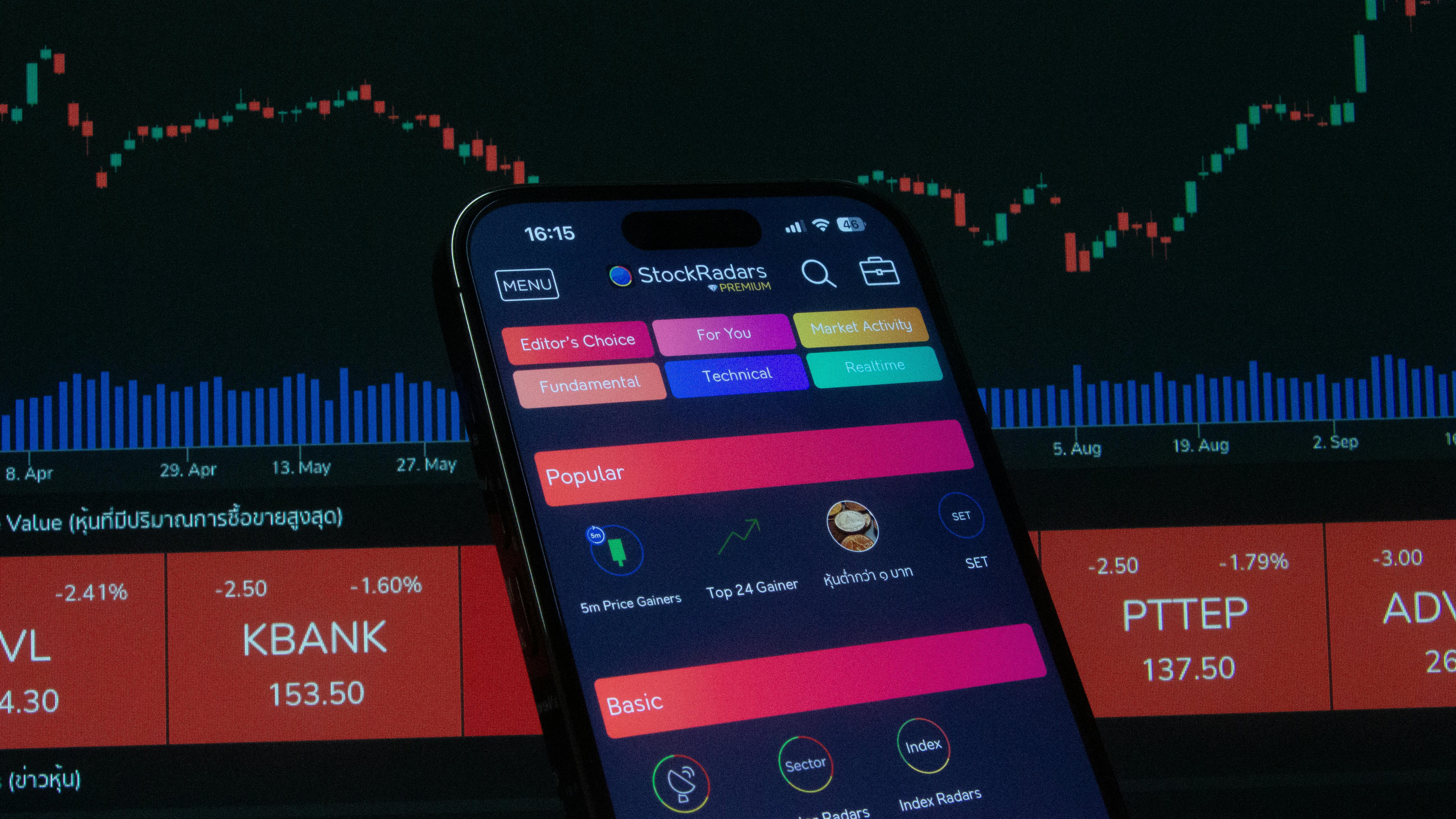
Additionally, mobile trading apps have democratized access to the forex market, enabling traders to monitor positions, analyze charts, and execute trades from anywhere in the world. The rise of social trading platforms, where users can copy the trades of experienced investors, has further lowered the barrier to entry for beginners.
Mental Fortitude: The Unseen Currency of Forex Success
While tools and strategies are essential, the most valuable asset a forex trader possesses is their mindset. The market is inherently unpredictable, and even the most well-researched trades can go against expectations. Confidence without arrogance, patience without passivity, and resilience without rigidity—these are the qualities that enable traders to thrive in an environment of uncertainty.
Developing a winning mindset involves setting realistic expectations, avoiding overtrading, and accepting that losses are a natural part of the journey. Meditation, journaling, and regular self-assessment can help traders maintain emotional balance and stay focused on long-term objectives rather than short-term outcomes.
Many successful traders emphasize the importance of continuous learning. The forex market evolves constantly, influenced by technological advances, regulatory changes, and global events. Staying informed through financial news, economic calendars, and trading communities ensures that traders remain adaptable and informed.
Ethics and Responsibility in Forex Trading
As forex trading gains popularity, it’s important to recognize the ethical implications of participating in global financial markets. Traders should be mindful of their impact on market stability and avoid manipulative practices such as spoofing or insider trading, which are illegal and unethical. Responsible trading also means being transparent about risks—especially to new traders—and avoiding the promise of quick riches without acknowledging the high probability of loss.
Broker transparency is another crucial ethical consideration. Traders should choose regulated brokers with a strong reputation for fairness, security, and customer support. Understanding leverage ratios, spreads, and hidden fees helps prevent exploitation and ensures a fair trading environment.
The Future of Forex: Trends and Transformations
The forex market continues to evolve, shaped by technological innovation, regulatory shifts, and geopolitical developments. One major trend is the increasing integration of artificial intelligence (AI) and machine learning in trading algorithms. AI can analyze vast datasets, detect patterns, and adapt strategies in real time, potentially giving traders a significant edge.
Another transformative force is the rise of decentralized finance (DeFi) and blockchain technology. While still in its early stages, blockchain could enhance transparency and reduce transaction costs in forex trading by enabling peer-to-peer currency exchanges without intermediaries. Cryptocurrencies themselves have also become a major component of forex trading, with pairs like BTC/USD and ETH/USD attracting significant volume.
Geopolitical shifts, such as trade wars, sanctions, or currency devaluations, will continue to create volatility and opportunity. Traders who stay informed about global events and understand their potential market impact will be better positioned to navigate an increasingly complex landscape.
Conclusion: Mastering the Alchemy of Forex
The alchemy of forex trading is not about turning lead into gold through mystical means, but about harnessing knowledge, discipline, and technology to extract value from the relentless movement of global currencies. It is a journey of continuous learning, self-mastery, and adaptation—a modern form of alchemy where the raw materials are data, time, and human ingenuity.
Whether you are a beginner taking your first steps into the world of currency trading or an experienced trader refining your craft, remember that success in forex is not guaranteed by any single strategy or tool. It is built on a foundation of sound principles: understanding market mechanics, managing risk wisely, maintaining emotional balance, and committing to lifelong growth.
As the forex market continues to pulse with energy and opportunity, those who approach it with respect, preparation, and persistence will find that the true gold lies not in the currency itself, but in the mastery of turning its fluctuations into lasting wealth.