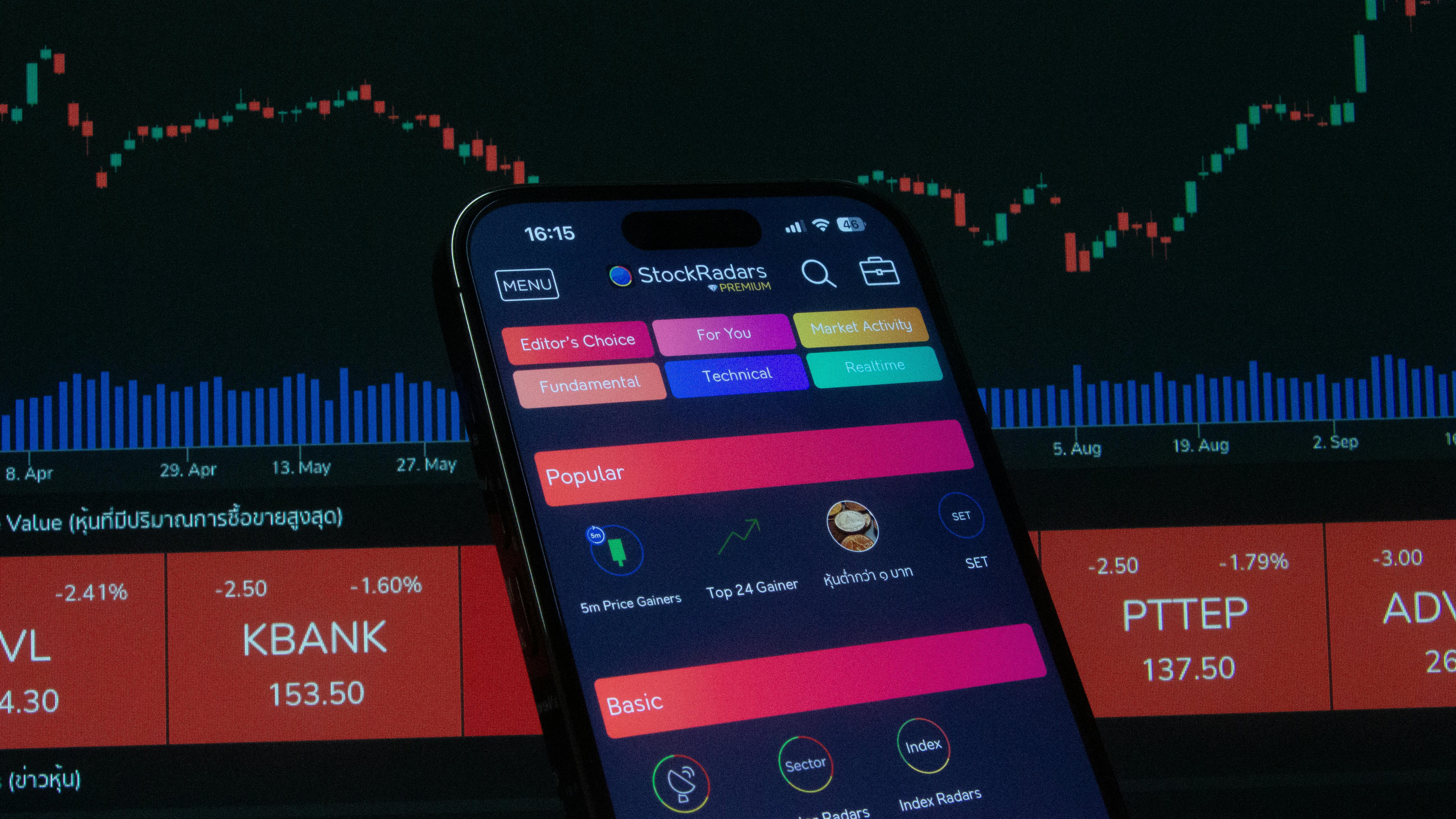
Navigating the Storm: How to Trade Stocks When the Market Takes a Wild Ride

Navigating the Storm: How to Trade Stocks When the Market Takes a Wild Ride
Markets don’t always move in smooth, predictable patterns. Sometimes, volatility strikes like a storm, shaking investor confidence and sending prices swinging wildly. Whether driven by economic uncertainty, geopolitical tensions, or unexpected corporate news, these turbulent periods can feel overwhelming—even for seasoned traders. But volatility isn’t inherently bad; it can create opportunities for those who know how to navigate it. The key is preparation, discipline, and a clear strategy tailored to high-risk environments.
Understanding Market Volatility: Why Prices Swing Wildly
Volatility is the rate at which a stock’s price changes over time. High volatility means large price swings in short periods, while low volatility indicates more stable prices. Several factors can trigger wild market rides:
- Macroeconomic Reports: Unexpected changes in inflation, employment, or GDP data can spark immediate reactions.
- Central Bank Policies: Interest rate hikes or cuts by the Federal Reserve or other central banks often lead to sharp market movements.
- Geopolitical Events: Wars, elections, or trade disputes create uncertainty and drive fear-driven selling.
- Corporate Earnings: Disappointing or surprisingly strong earnings results can cause a single stock to surge or crash overnight.
- Market Sentiment: Fear and greed are contagious—when investors panic, sell-offs accelerate; when optimism reigns, rallies build momentum.
Understanding these triggers helps traders anticipate volatility rather than react blindly to it.
Preparation: The Foundation of Volatile Trading Success
You wouldn’t sail into a storm without checking the weather forecast or stocking life jackets. Similarly, traders should prepare before volatility hits.
Start with a solid foundation:
- Define Your Risk Tolerance: Know how much capital you’re willing to lose on any single trade. Never risk more than 1–2% of your portfolio on one position.
- Set Clear Entry and Exit Rules: Use stop-loss and take-profit orders to automate your exits. This removes emotional decision-making when prices swing rapidly.
- Diversify Across Assets: Spread your risk across different sectors, asset classes, or uncorrelated instruments (e.g., stocks, bonds, gold). Even in a downturn, not everything will fall at once.
- Keep Cash Reserves: Having cash available allows you to capitalize on opportunities during downturns without being forced to sell at a loss.
Preparation turns volatility from a threat into a potential advantage.
Adapting Your Strategy for High-Volatility Markets
Trading in volatile markets requires a different mindset than calm, trending environments. Here’s how to adapt:
1. Focus on Quality Over Quantity
In turbulent markets, not all stocks behave the same. Prioritize high-quality, fundamentally strong companies with solid balance sheets and consistent earnings. These firms are more likely to withstand shocks and recover faster.
- Look for low debt-to-equity ratios.
- Check consistent revenue and earnings growth.
- Favor companies with competitive advantages (e.g., strong brand, patents, network effects).
Quality beats quantity—avoid speculative micro-caps or highly leveraged firms.
2. Use Technical Analysis to Identify Patterns
Technical indicators can help spot trends, support/resistance levels, and potential reversals during volatility.
- Moving Averages: Use 50-day and 200-day moving averages to identify trend direction and potential pullbacks.
- Relative Strength Index (RSI): Helps detect overbought (>70) or oversold (