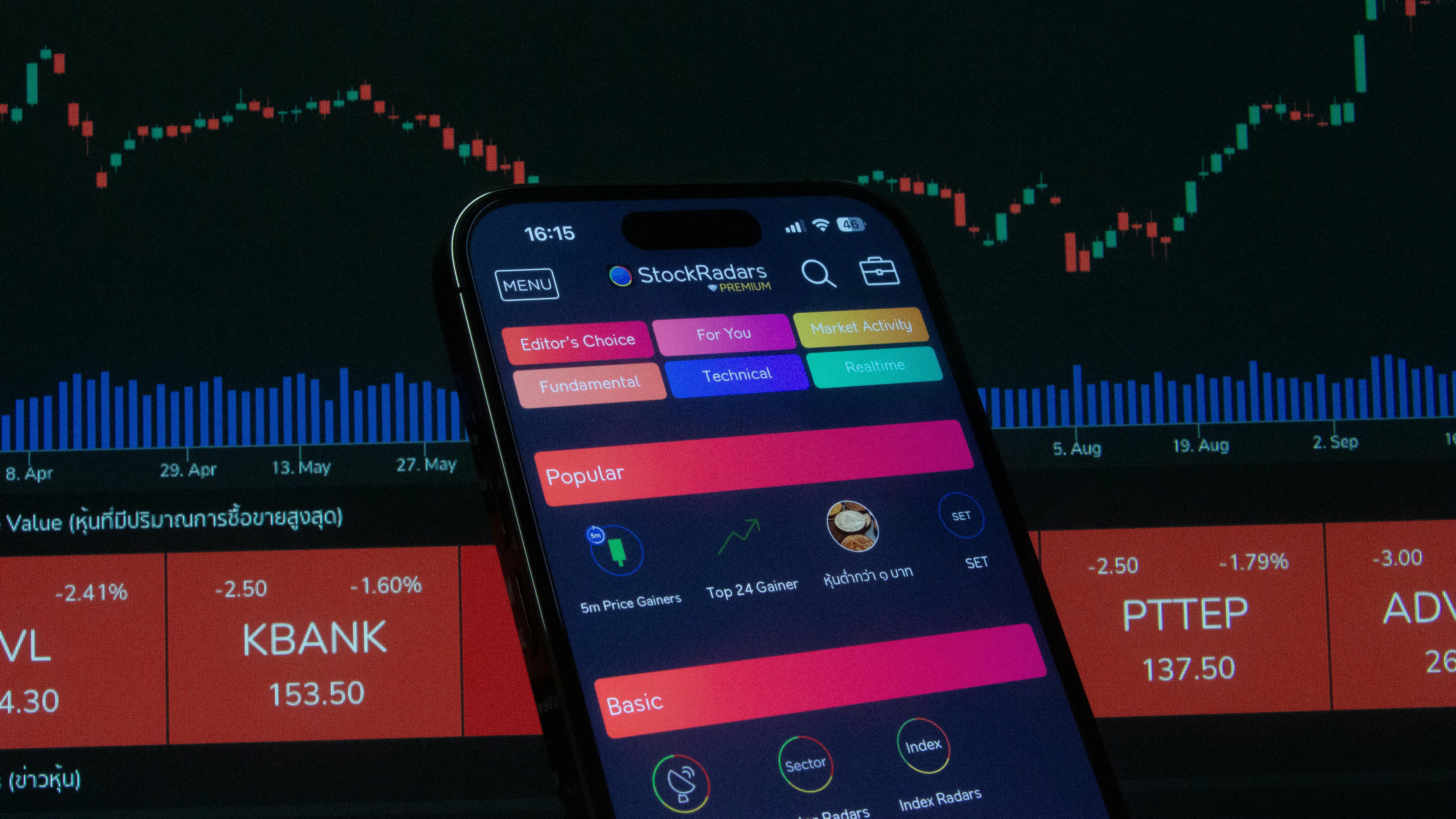
Navigating the Currency Market: Your Gateway to Global Financial Opportunities

Introduction & Background
The currency market, often called the foreign exchange market or forex, stands as one of the largest and most dynamic financial markets in the world. With an average daily trading volume exceeding 7.5 trillion dollars, it dwarfs other markets such as stocks or bonds. This vast marketplace connects governments, corporations, financial institutions, and individual traders from every corner of the globe. The significance of the currency market lies in its role as the backbone of international trade and investment. Without it, businesses would struggle to exchange goods and services across borders, and travelers would face immense challenges in converting their money when visiting foreign countries. Over the past few decades, the market has evolved from a system dominated by governments and large banks to one accessible to everyday investors thanks to technological advancements and deregulation. Today, it offers unparalleled opportunities for diversification, speculation, and wealth accumulation, making it a gateway to global financial opportunities for anyone willing to learn its intricacies.
Concept & Overview
The currency market operates as a decentralized, over-the-counter marketplace where participants buy, sell, exchange, and speculate on currencies. Unlike stock markets, which have fixed trading hours and centralized exchanges, forex trading occurs 24 hours a day, five days a week. This continuous operation is possible because trading shifts seamlessly between major financial centers in different time zones, including London, New York, Tokyo, and Sydney. At its core, the market thrives on the principle of currency pairs, where one currency is exchanged for another. The most traded pairs are known as the majors, such as EUR/USD, USD/JPY, and GBP/USD, which involve the US dollar due to its dominant role in global finance. Market movements are driven by a complex interplay of economic indicators, geopolitical events, interest rates, and market sentiment. Traders aim to profit from fluctuations in exchange rates by predicting whether a currency will strengthen or weaken relative to another. This process of speculation forms the foundation of forex trading, allowing participants to capitalize on short-term price movements as well as long-term trends.
Key Features & Highlights
- High Liquidity: The currency market is the most liquid financial market in the world, meaning trades can be executed quickly and with minimal price slippage. This liquidity ensures that large orders can be filled without significantly affecting market prices.
- 24-Hour Market Access: Trading is not confined to traditional business hours. The forex market operates around the clock, allowing traders to respond to news and events as they happen, regardless of their location.
- Leverage and Margin Trading: Forex brokers offer high leverage ratios, often exceeding 100:1, enabling traders to control large positions with relatively small capital. While this amplifies potential profits, it also increases the risk of significant losses.
- Low Transaction Costs: Compared to other financial markets, forex trading typically involves lower transaction costs. Most trading is commission-free, with brokers earning revenue through the spread, the difference between the buy and sell price of a currency pair.
- Diverse Trading Opportunities: Traders can benefit not only from rising markets but also from falling ones. Known as short selling, this practice allows investors to profit when a currency depreciates against another.
- Global Economic Integration: The forex market reflects the health and stability of economies worldwide. Economic releases such as GDP growth, employment data, and inflation reports can trigger substantial market movements.
- Accessibility for All: Thanks to online trading platforms and mobile apps, individuals from any background can participate in the currency market with minimal barriers to entry. Many brokers offer demo accounts, allowing beginners to practice without risking real money.
Frequently Asked Questions / Pros & Cons
What makes the currency market different from the stock market?
Unlike the stock market, where investors buy ownership shares in companies, the currency market focuses solely on the exchange of currencies. The forex market is decentralized and operates 24 hours a day, while stock markets have set trading hours and are centralized. Additionally, forex trading involves leverage and lower transaction costs, making it more accessible for speculative trading.
Is it possible to trade forex without leverage?
Yes, it is possible to trade forex without using leverage. Many brokers offer accounts with no leverage or very low leverage ratios, allowing traders to use their own capital to open positions. This approach reduces risk but also limits potential profits. It is a common strategy among conservative investors or those new to forex trading.
What are the main risks involved in currency trading?
The primary risks of forex trading include market volatility, leverage-related losses, geopolitical risks, and economic uncertainty. Currency values can change rapidly in response to news events, such as elections or central bank announcements, leading to unexpected losses. High leverage magnifies both gains and losses, so inexperienced traders can quickly deplete their accounts. It is essential to manage risk through stop-loss orders and proper position sizing.
Can beginners succeed in the currency market?
While the forex market presents significant opportunities, success requires education, discipline, and patience. Beginners should start by learning the basics, including how currency pairs work, what drives price movements, and how to read charts. Using a demo account to practice trading with virtual money is highly recommended. Joining educational communities and following market analyses can also help build confidence and skills over time.
Is the currency market regulated?
The level of regulation varies by country, but reputable forex brokers are typically regulated by financial authorities such as the Commodity Futures Trading Commission (CFTC) in the United States, the Financial Conduct Authority (FCA) in the United Kingdom, or the Australian Securities and Investments Commission (ASIC). Regulation helps protect traders by ensuring brokers adhere to strict financial standards, segregate client funds, and provide transparent pricing. Traders should always verify a broker’s regulatory status before opening an account.
Practical Guidance & Solutions
For those ready to explore the currency market, the first step is education. Start by familiarizing yourself with key concepts such as currency pairs, pips, and spreads. Many online platforms offer free educational resources, including webinars, e-books, and video tutorials. Once you have a solid understanding, open a demo account with a trusted broker to practice trading in real market conditions without financial risk.
Develop a trading strategy that aligns with your financial goals, risk tolerance, and schedule. Whether you prefer day trading, swing trading, or long-term investing, consistency is crucial. Keep a trading journal to track your trades, analyze mistakes, and refine your approach over time. Risk management should be a priority. Use stop-loss orders to limit potential losses on each trade and avoid risking more than 1 to 2 percent of your account balance on a single position.
Stay informed about global economic events that impact currency markets. Economic calendars, financial news outlets, and central bank announcements can provide valuable insights. However, avoid overtrading based on short-term news. Focus on high-probability setups and maintain emotional discipline. It is also wise to diversify your trading across different currency pairs and asset classes to spread risk.
Choose a broker with a strong reputation, competitive spreads, and reliable customer support. Ensure they offer the trading tools and platforms you need, such as MetaTrader 4 or 5. Before depositing real funds, check the broker’s withdrawal policies and regulatory compliance. Finally, start with a small account and scale up as you gain experience and confidence.
Conclusion
The currency market is more than just a financial marketplace. It is a gateway to global opportunities, connecting economies and empowering individuals to participate in the world’s largest trading ecosystem. Whether you are a seasoned investor seeking diversification or a beginner eager to learn, the forex market offers tools and potential rewards that are unmatched in size and accessibility. Success in this market does not come from luck or impulsive decisions but from knowledge, discipline, and strategic planning. By approaching trading with respect for its complexities and a commitment to continuous learning, anyone can navigate the currency market and unlock its vast potential. As the world becomes increasingly interconnected, the ability to understand and trade currencies will remain a valuable skill, opening doors to financial freedom and global engagement for generations to come.