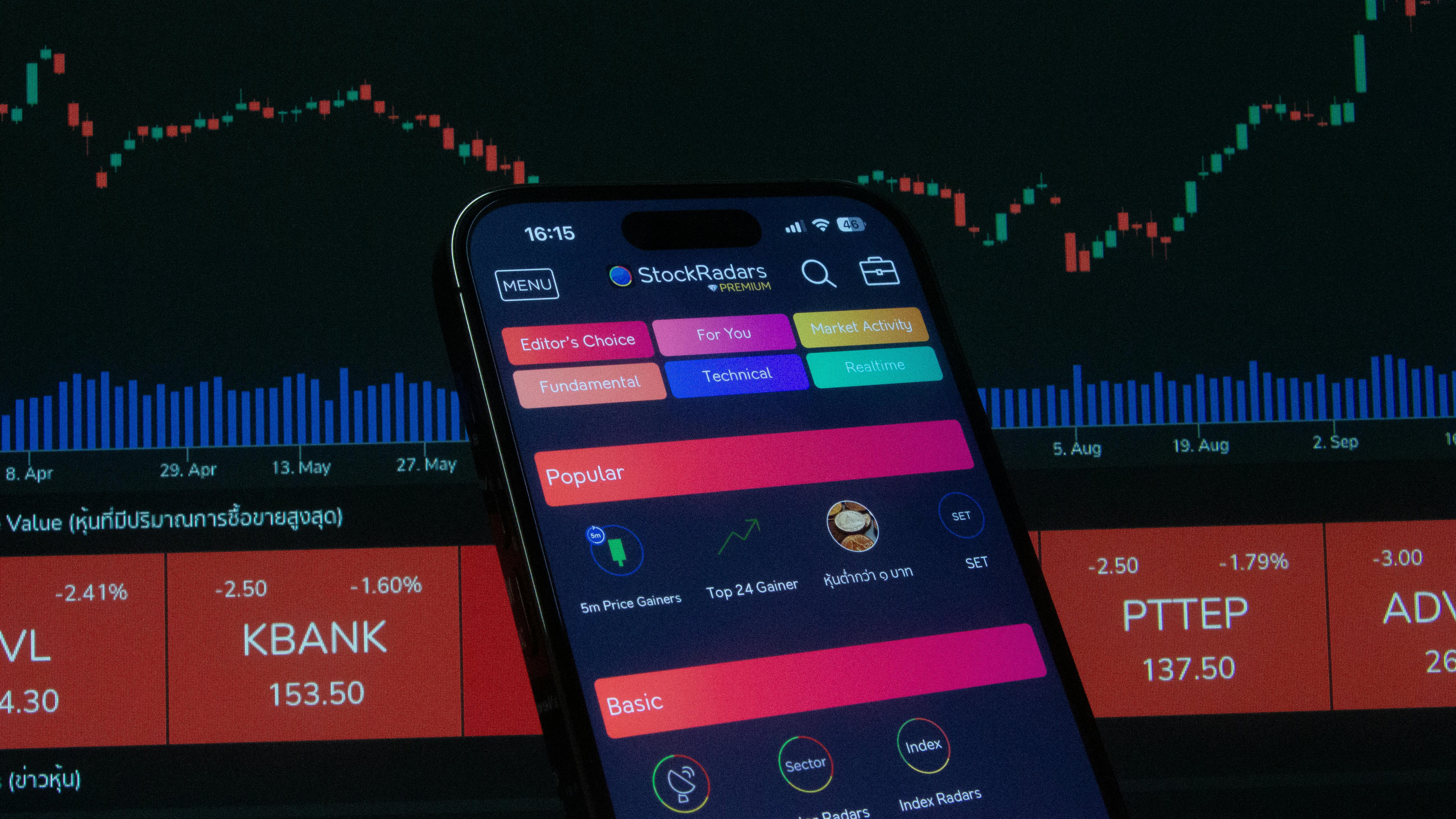
Market Analysis Unveiled: Navigating Trends, Decoding Opportunities

Introduction & Background
In today’s fast-paced and interconnected global economy, the ability to analyze markets effectively has become a cornerstone of success for businesses, investors, and policymakers alike. Market analysis is not just a tool for understanding current conditions; it is a strategic compass that guides decision-making, identifies emerging opportunities, and mitigates risks. Whether you are a seasoned entrepreneur launching a new product or an investor scouting for the next big venture, the insights derived from thorough market analysis can make the difference between thriving and merely surviving. The significance of this practice lies in its power to transform raw data into actionable intelligence, offering a clear view of consumer behavior, competitive landscapes, and industry trends. As markets evolve with technological advancements and shifting consumer preferences, the demand for skilled market analysts continues to grow, underscoring the importance of mastering this discipline.
Concept & Overview
Market analysis refers to the systematic process of gathering, interpreting, and evaluating data related to a specific market, industry, or business environment. At its core, it involves assessing the demand and supply dynamics, understanding customer needs, and analyzing the competitive landscape to determine the feasibility of a product, service, or investment. The process typically includes several key components, such as market sizing, trend analysis, customer segmentation, and competitive benchmarking. One of the fundamental principles of market analysis is its reliance on both quantitative and qualitative data. Quantitative data, such as sales figures and market share percentages, provides measurable insights, while qualitative data, such as customer feedback and expert opinions, offers deeper contextual understanding. Together, these elements create a comprehensive picture that enables stakeholders to make informed decisions. Additionally, market analysis is not a one-time activity but an ongoing process that adapts to changes in the market environment, ensuring that strategies remain relevant and effective over time.
Key Features & Highlights
- Data Collection & Sources: Effective market analysis begins with the collection of reliable data from various sources. These may include primary research, such as surveys and interviews, as well as secondary research, such as industry reports, government publications, and financial statements. The choice of data sources depends on the specific objectives of the analysis and the resources available.
- Market Segmentation: Breaking down a broad market into smaller, more manageable segments allows businesses to tailor their strategies to specific customer groups. Segmentation can be based on demographics, geographic location, psychographics, or behavioral patterns, enabling targeted marketing and product development efforts.
- Competitive Analysis: Understanding the strengths, weaknesses, opportunities, and threats posed by competitors is crucial for positioning a business effectively. Tools such as SWOT analysis and Porter’s Five Forces framework are commonly used to assess competitive dynamics and identify gaps in the market.
- Trend Identification: Recognizing and forecasting industry trends is essential for staying ahead of the curve. Trends may include technological advancements, changes in consumer behavior, regulatory shifts, or economic cycles. Analyzing trends helps businesses anticipate future demand and adjust their strategies accordingly.
- Risk Assessment: Market analysis also involves evaluating potential risks, such as market volatility, supply chain disruptions, or shifts in consumer preferences. By identifying risks early, businesses can develop contingency plans and minimize potential negative impacts.
- Actionable Insights: The ultimate goal of market analysis is to generate insights that can be translated into actionable strategies. These may include product innovations, pricing adjustments, marketing campaigns, or expansion plans. The ability to convert data into meaningful decisions is what sets successful market analysis apart.
Frequently Asked Questions / Pros & Cons
What is the primary purpose of conducting a market analysis?
Primary purpose: The primary purpose of conducting a market analysis is to gain a deep understanding of the target market, including customer needs, competitive landscape, and industry trends. This knowledge enables businesses to make informed decisions about product development, pricing, marketing strategies, and investment opportunities. By reducing uncertainty and providing a data-driven foundation for strategy, market analysis helps organizations allocate resources more efficiently and maximize their chances of success.
How often should a business perform a market analysis?
Frequency: The frequency of market analysis depends on the industry dynamics and the specific needs of the business. For industries characterized by rapid technological changes or volatile consumer preferences, such as technology or fashion, conducting a market analysis every six months or annually may be necessary. In more stable industries, such as utilities or basic consumer goods, a biennial or triennial analysis might suffice. Additionally, businesses should perform market analysis whenever they are considering a significant strategic move, such as entering a new market, launching a new product, or responding to a major competitor’s actions.
What are the main challenges associated with market analysis?
Challenges: One of the main challenges in market analysis is the availability and quality of data. In some industries, data may be scarce, outdated, or unreliable, making it difficult to draw accurate conclusions. Another challenge is the complexity of interpreting data, particularly when dealing with large datasets or conflicting information. Additionally, market analysis requires a significant investment of time, resources, and expertise, which may be a barrier for small businesses or startups with limited budgets. Finally, the dynamic nature of markets means that insights derived from analysis can quickly become outdated, necessitating continuous monitoring and updates.
What are the benefits of outsourcing market analysis?
Benefits: Outsourcing market analysis to specialized firms or consultants offers several advantages. First, it provides access to expert knowledge and experience, which can enhance the quality and accuracy of the analysis. Second, outsourcing allows businesses to save time and resources by leveraging the expertise of professionals who are well-versed in the latest analytical tools and methodologies. Third, external analysts can offer an objective perspective, free from internal biases or preconceptions. Finally, outsourcing enables businesses to focus on their core competencies while leaving the complex task of data analysis to specialists. However, it is essential to choose a reputable provider with a proven track record to ensure the reliability of the insights generated.
Practical Guidance & Solutions
For businesses looking to conduct a market analysis or improve their existing processes, the following practical steps can serve as a roadmap to success.
Define Clear Objectives
Start by clearly defining the objectives of your market analysis. Are you assessing the viability of a new product, evaluating a potential merger, or exploring a new market segment? Having well-defined goals will guide the entire process, ensuring that your efforts are focused and aligned with your business strategy. Without clear objectives, the analysis may lack direction and fail to deliver meaningful insights.
Choose the Right Tools and Techniques
Selecting the appropriate tools and techniques is critical for conducting a thorough market analysis. For data collection, consider using a mix of primary and secondary research methods. Surveys, focus groups, and interviews can provide firsthand insights into customer preferences and behaviors, while industry reports, government statistics, and competitor analysis tools can offer broader market context. Additionally, leverage analytical tools such as statistical software, market segmentation models, and predictive analytics to process and interpret data effectively. Tools like Google Trends, SEMrush, or Tableau can help identify trends, analyze competitors, and visualize data, making it easier to draw actionable conclusions.
Leverage Technology and Automation
In today’s digital age, technology plays a pivotal role in streamlining market analysis processes. Automation tools can significantly reduce the time and effort required for data collection, cleaning, and analysis. Customer relationship management (CRM) systems, such as Salesforce or HubSpot, can help track customer interactions and preferences, while business intelligence (BI) platforms, like Power BI or Tableau, enable real-time data visualization and reporting. Additionally, artificial intelligence (AI) and machine learning (ML) algorithms can analyze large datasets to uncover hidden patterns and predict future trends, providing a competitive edge in decision-making.
Collaborate Across Teams
Market analysis should not be confined to a single department or team. Collaborating across teams, such as marketing, sales, product development, and finance, can provide diverse perspectives and enhance the quality of insights. For example, the marketing team can offer insights into customer segmentation and campaign performance, while the product development team can share technical feasibility and innovation trends. Regular cross-functional meetings and shared data repositories can foster a culture of collaboration and ensure that all stakeholders are aligned with the analysis findings.
Stay Agile and Adaptive
The market landscape is constantly evolving, and businesses must remain agile to stay ahead. Regularly review and update your market analysis to reflect new data, emerging trends, and changes in the competitive landscape. Establish key performance indicators (KPIs) to monitor the success of your strategies and be prepared to pivot if market conditions shift. For instance, if consumer preferences change due to a new trend or economic downturn, adjust your product offerings or marketing messages accordingly. Agility and adaptability are essential for maintaining relevance and seizing new opportunities in a dynamic market environment.
Conclusion
Market analysis is far more than a routine business exercise; it is a vital strategic tool that empowers organizations to navigate uncertainty, decode opportunities, and drive sustainable growth. By transforming data into insights, businesses can anticipate trends, understand customer needs, and outmaneuver competitors. The journey from raw data to informed decision-making requires a blend of rigorous methodology, technological innovation, and collaborative effort. As markets continue to evolve at an unprecedented pace, the ability to conduct insightful market analysis will remain a defining factor for success. Whether you are a startup charting uncharted territory or an established enterprise refining your strategy, embracing the principles of market analysis will equip you with the clarity and confidence to thrive in an ever-changing world. The future belongs to those who analyze wisely, act decisively, and adapt relentlessly.