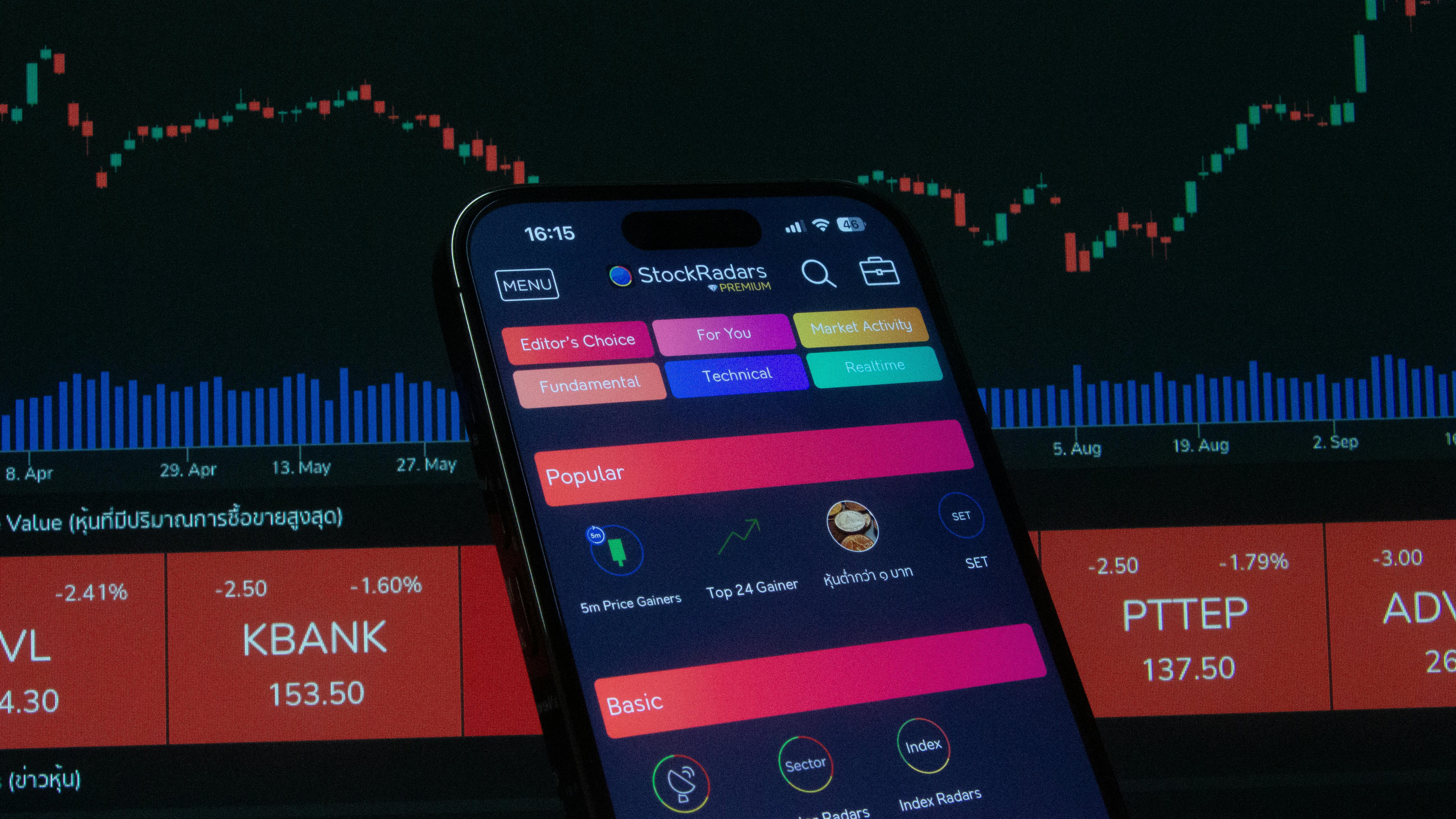
The Unseen Forces Shaping the Forex Market

The Unseen Forces Shaping the Forex Market
The foreign exchange (forex) market is the largest and most liquid financial market in the world, with over $7.5 trillion traded daily. While traders often focus on technical indicators and fundamental news, there are numerous unseen forces quietly shaping its movements. These forces operate behind the scenes, influencing currency valuations in ways that are not always immediately apparent. Understanding these hidden factors can provide traders with a competitive edge, helping them anticipate market shifts before they become widely recognized.
In this article, we’ll explore the invisible currents driving the forex market—ranging from central bank policies and geopolitical tensions to psychological factors and algorithmic trading. By uncovering these forces, traders can refine their strategies and better navigate the complexities of global currency markets.
—
The Role of Central Banks: The Invisible Hand
Central banks play a pivotal role in shaping forex markets, often through policies that are not always transparent. Their decisions on interest rates, quantitative easing (QE), and currency interventions can send ripples across the market, sometimes without warning. For instance, the European Central Bank (ECB) or the Federal Reserve’s sudden shift in monetary policy can lead to sharp currency movements that catch traders off guard.
One of the most powerful tools at a central bank’s disposal is forward guidance, where they communicate future policy intentions to influence market expectations. If a central bank hints at a rate hike, the currency may strengthen even before the actual policy change occurs. Conversely, unexpected dovish signals can trigger sell-offs, as seen during the 2020 COVID-19 pandemic when the Fed’s emergency rate cuts sent the U.S. dollar plummeting.
Additionally, central banks occasionally engage in currency interventions to stabilize or devalue their currencies. For example, Japan’s Ministry of Finance has historically intervened in the forex market to weaken the yen when it appreciates too sharply, protecting export-driven industries. These interventions are often conducted secretly to avoid market speculation, making them a hidden yet powerful force in forex trading.
—
Geopolitical Tensions: The Shadow War on Currencies
Geopolitical events are among the most unpredictable drivers of forex markets. While major conflicts or elections grab headlines, subtle diplomatic tensions or trade disputes can also trigger currency fluctuations. For example, rising U.S.-China trade tensions in 2019 led to a surge in safe-haven demand for the U.S. dollar, while the Chinese yuan weakened amid fears of economic retaliation.
Sanctions and trade restrictions are another invisible force. When the U.S. imposed sanctions on Russia in 2022 following its invasion of Ukraine, the ruble collapsed nearly 50% in a matter of days. Similarly, Iran’s nuclear deal negotiations have repeatedly caused fluctuations in the Iranian rial, as traders price in potential sanctions relief or renewed restrictions.
Even political instability within a country can destabilize its currency. For instance, the 2022 collapse of Sri Lanka’s economy—triggered by political turmoil and economic mismanagement—led to a severe depreciation of the Sri Lankan rupee. Traders who monitor geopolitical risks can position themselves ahead of such events, avoiding sudden losses or capitalizing on volatility.
—
Algorithmic Trading: The Silent Market Makers
Algorithmic trading, or algo-trading, has revolutionized the forex market, accounting for over 60% of all forex transactions today. These automated systems execute trades at speeds and volumes impossible for human traders, often reacting to news or technical signals in milliseconds. While they provide liquidity and efficiency, they also introduce hidden volatility that can disrupt traditional trading strategies.
One of the most influential algo-trading strategies is high-frequency trading (HFT), where computers analyze market data and execute orders in microseconds. HFT firms can detect large orders before they’re filled, front-running trades and causing temporary price distortions. For example, if a major hedge fund places a large buy order for euros, HFT algorithms may detect it and buy euros first, driving up the price before the original order is executed.
Another unseen force is the use of dark pools—private trading platforms where large institutions execute orders without revealing them to the public. These trades can create sudden price movements when they’re finally disclosed, catching retail traders off guard. Additionally, algo-trading systems often employ machine learning to predict market movements based on vast datasets, including social media sentiment or macroeconomic trends, further complicating the forex landscape.
—
Market Sentiment and Behavioral Economics: The Psychology of Trading
While forex markets are often viewed as rational and data-driven, human psychology plays a significant role in shaping currency movements. Behavioral economics reveals that traders don’t always act logically; instead, emotions like fear, greed, and herd mentality influence decisions, creating hidden trends that technical analysis alone may not capture.
For example, the “fear of missing out” (FOMO) can lead to speculative bubbles. During the 2021 meme stock frenzy, retail traders piled into currencies like the Turkish lira, driving it to record highs before a sudden crash. Similarly, the “safe-haven” effect causes traders to flock to currencies like the Swiss franc or Japanese yen during global crises, even if the underlying fundamentals don’t justify the move.
Another psychological factor is anchoring bias, where traders fixate on a specific price level (e.g., a previous high or low) and base their decisions on it, ignoring new information. For instance, if the GBP/USD pair has struggled to break above 1.40 for months, traders may assume it’s a strong resistance level, even if economic conditions suggest otherwise. Recognizing these psychological patterns can help traders avoid common pitfalls and identify contrarian opportunities.
—
Commodity Prices and Economic Indicators: The Indirect Drivers
While forex markets are primarily driven by interest rate differentials and capital flows, commodity prices and economic indicators often act as indirect yet powerful forces. Countries heavily reliant on commodity exports or imports see their currencies closely tied to price movements in these markets.
For example, the Canadian dollar (CAD) is often referred to as a “commodity currency” because its value correlates strongly with oil prices. When crude oil rises, the CAD typically strengthens due to increased export revenues, while a drop in oil prices can lead to a weaker CAD. Similarly, the Australian dollar (AUD) is influenced by iron ore and gold prices, given Australia’s status as a major exporter of these commodities.
Economic indicators, though widely reported, can also create hidden market reactions. Traders often focus on headline numbers like GDP growth or unemployment rates, but secondary data—such as business confidence surveys or purchasing managers’ indices (PMIs)—can signal turning points in the economy. For instance, a sudden drop in German PMIs might hint at an impending recession in the Eurozone, prompting traders to sell the euro before official data confirms the downturn.
—
Hidden Liquidity and Market Depth: The Structure of Forex Trading
The structure of the forex market itself is an unseen force, often overlooked by traders focused solely on price movements. Unlike stock markets, forex operates as a decentralized network of banks, brokers, and liquidity providers, meaning price quotes can vary slightly across platforms. This fragmentation can create hidden liquidity zones where large orders are executed without immediately impacting the market.
For instance, major financial institutions like Goldman Sachs or JPMorgan act as liquidity providers, often stepping in to absorb large orders to prevent extreme price swings. When a retail trader places a $10 million buy order for USD/JPY, the liquidity provider may execute it gradually across multiple venues, masking the true demand and keeping prices stable. However, if liquidity dries up—such as during a market crisis—these hidden orders can suddenly surface, causing violent price movements.
Another structural factor is the role of non-bank financial institutions, such as hedge funds and asset managers, which collectively hold trillions in forex reserves. Their rebalancing activities—such as adjusting currency allocations in portfolios—can create sustained trends. For example, if a pension fund decides to increase its exposure to emerging market currencies, it may trigger a gradual but persistent appreciation in those currencies over weeks or months.
—
How Traders Can Adapt to Unseen Forces
While the forex market’s invisible forces may seem daunting, traders can adapt by incorporating a multi-dimensional approach to their strategies. Here are some actionable steps to stay ahead of the curve:
- Monitor Central Bank Communications: Follow speeches, meeting minutes, and forward guidance from major central banks like the Fed, ECB, and BoJ. Tools like the Fed Watch Tool or ECB’s economic projections can provide early signals of policy shifts.
- Track Geopolitical Developments: Use geopolitical risk calendars (e.g., from the Council on Foreign Relations) to anticipate potential flashpoints. Subscribe to news alerts from reliable sources like Reuters or Bloomberg to stay informed about sanctions, trade deals, or conflicts.
- Analyze Algorithmic Patterns: Study order flow data and volume profiles to identify areas where algo-trading may be active. Tools like footprint charts or time-and-sales data can reveal hidden liquidity zones and institutional activity.
- Understand Market Sentiment: Incorporate sentiment analysis into your trading plan. Tools like the Commitments of Traders (COT) report, which tracks futures market positions, or social media sentiment indicators (e.g., from TradeTheNews) can highlight shifts in trader psychology.
- Diversify Economic Indicators: Go beyond headline GDP or CPI data. Look for leading indicators like the Baltic Dry Index (shipping costs), which can signal changes in global trade, or the ZEW Economic Sentiment Survey for early signs of economic turning points.
- Leverage Alternative Data: Use unconventional data sources such as satellite imagery (e.g., tracking oil storage levels) or credit card transaction data to gauge economic activity in real time. Platforms like Bloomberg Terminal or Quandl offer access to these datasets.
By integrating these strategies, traders can reduce their exposure to unseen risks while uncovering new opportunities that others may overlook. The key is to remain adaptive, combining traditional analysis with awareness of the market’s hidden dynamics.
—
Conclusion: Navigating the Invisible Currents
The forex market is not just a battleground of supply and demand; it’s a complex ecosystem shaped by invisible forces ranging from central bank policies to algorithmic trading and psychological biases. While these forces may operate in the shadows, their impact is undeniable, often dictating the rise and fall of currencies long before mainstream analysis catches up.
For traders, the challenge—and the opportunity—lies in recognizing these unseen currents and integrating them into their decision-making processes. By staying informed, leveraging alternative data, and remaining attuned to market sentiment, traders can turn the forex market’s hidden complexities into a strategic advantage. In a market where every pip counts, understanding the unseen is often the difference between success and failure.